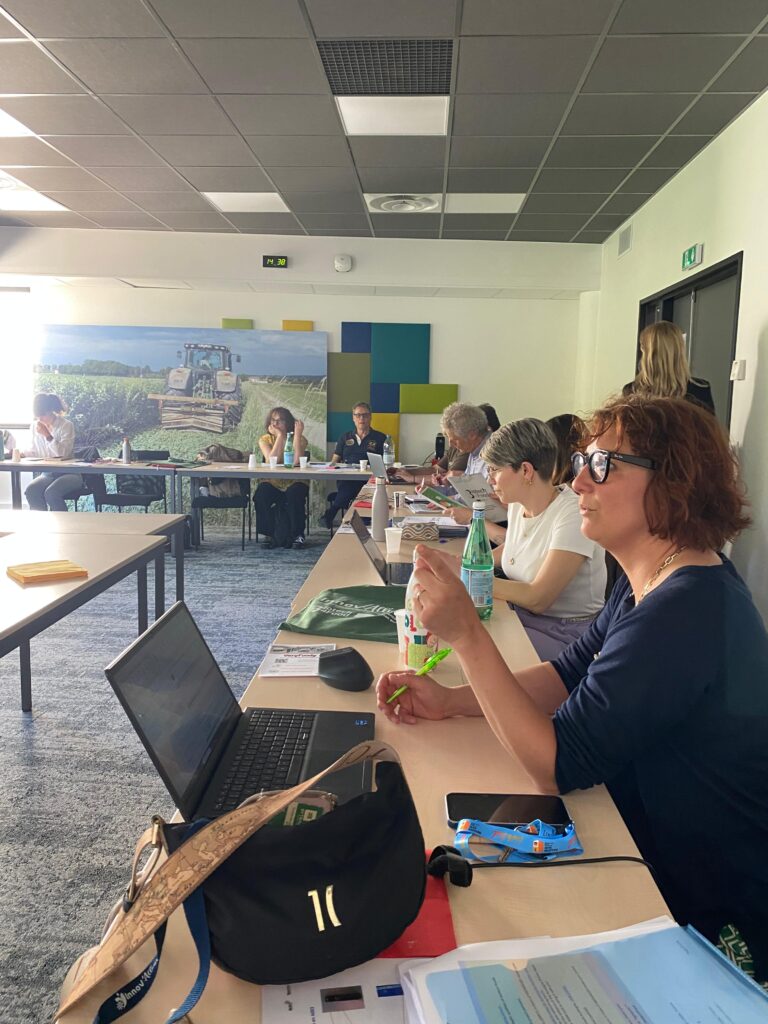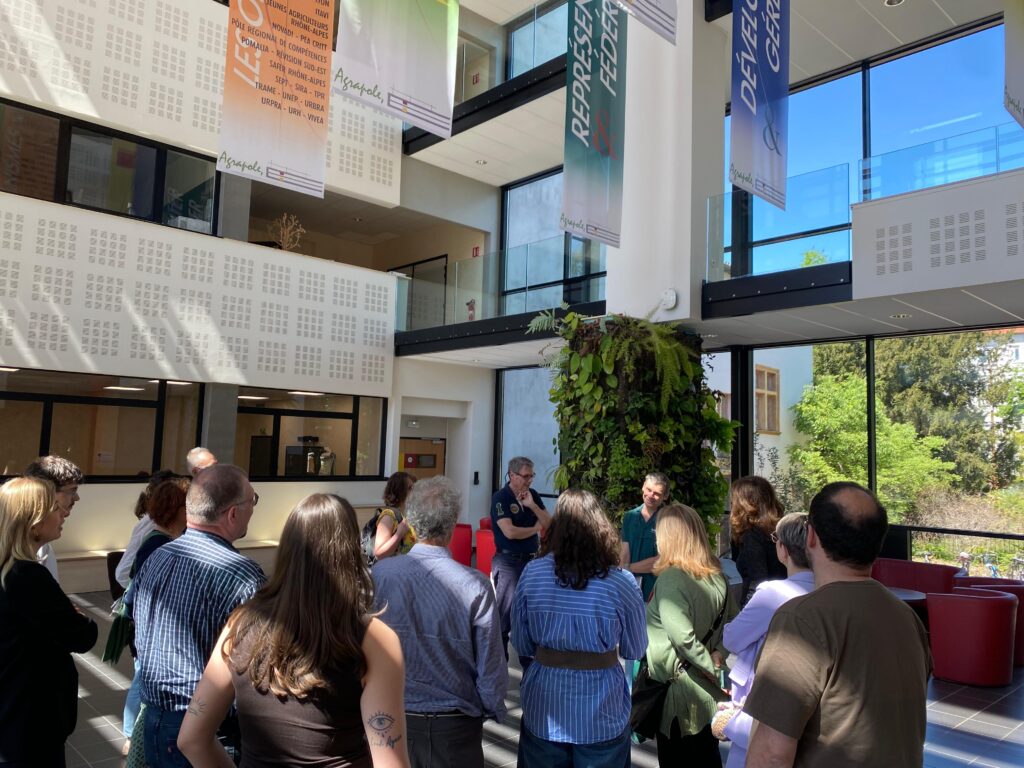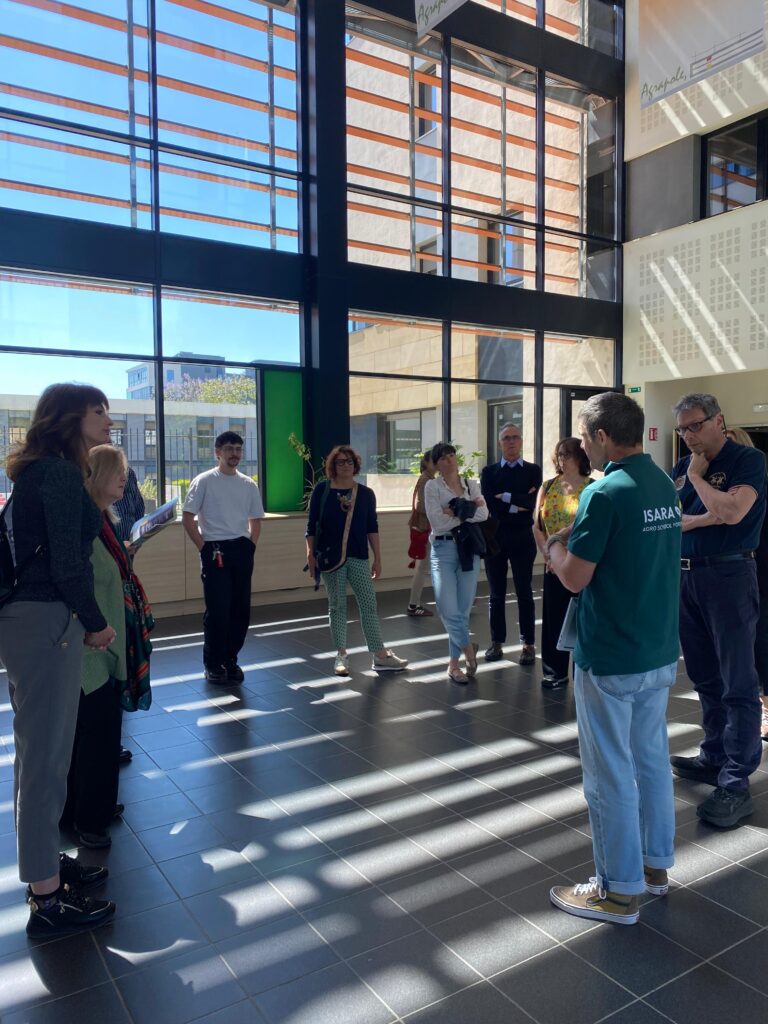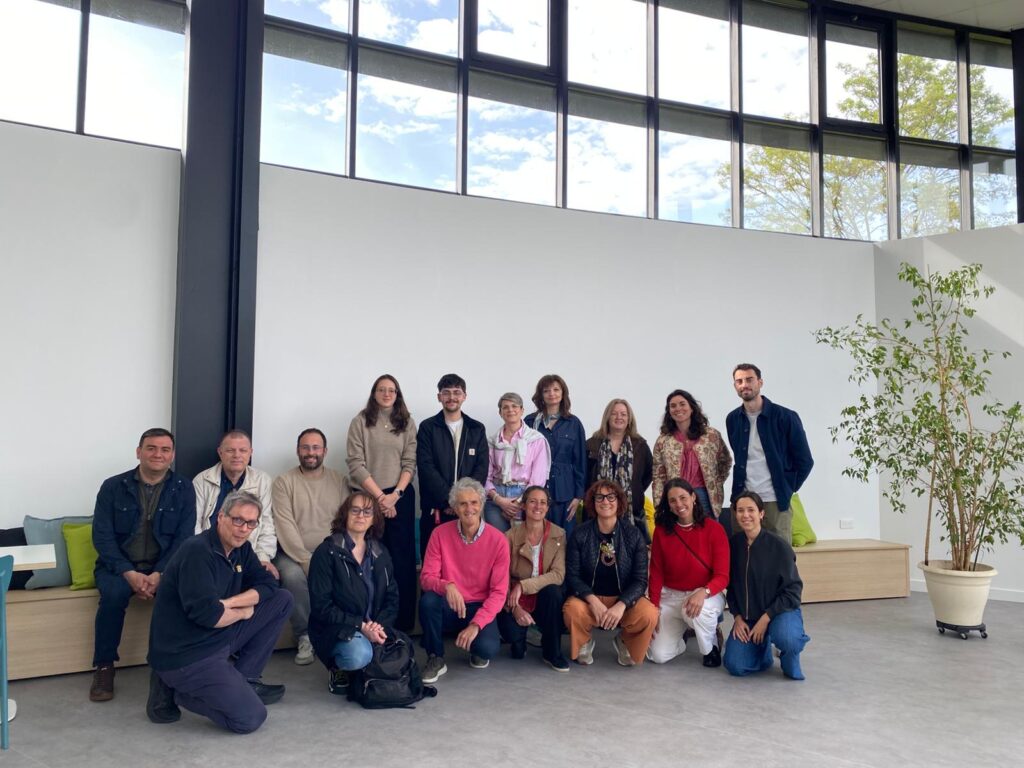
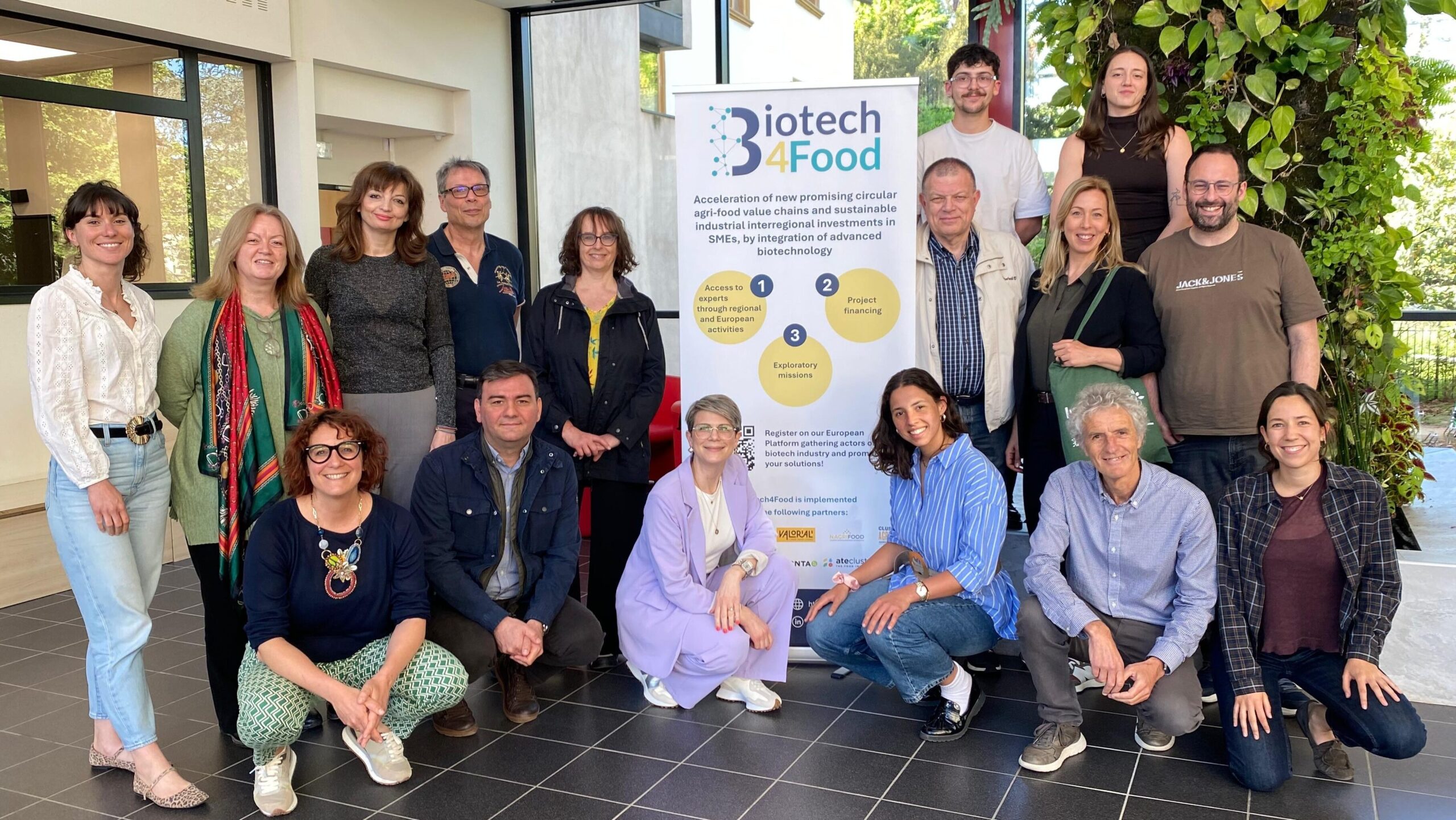
From April 20 to 23, the Biotech4Food consortium met in Lyon and Clermont-Ferrand for its final in-person meeting ahead of the project’s closing event, which will take place in Thessaloniki (Greece) in September 2026. The visit was hosted by the French cluster Innov’Alliance, which organised a two-day programme combining project governance, capacity-building activities, engagement with ecosystem stakeholders and study visits.
Day 1 – Lyon: knowledge and sensory innovation
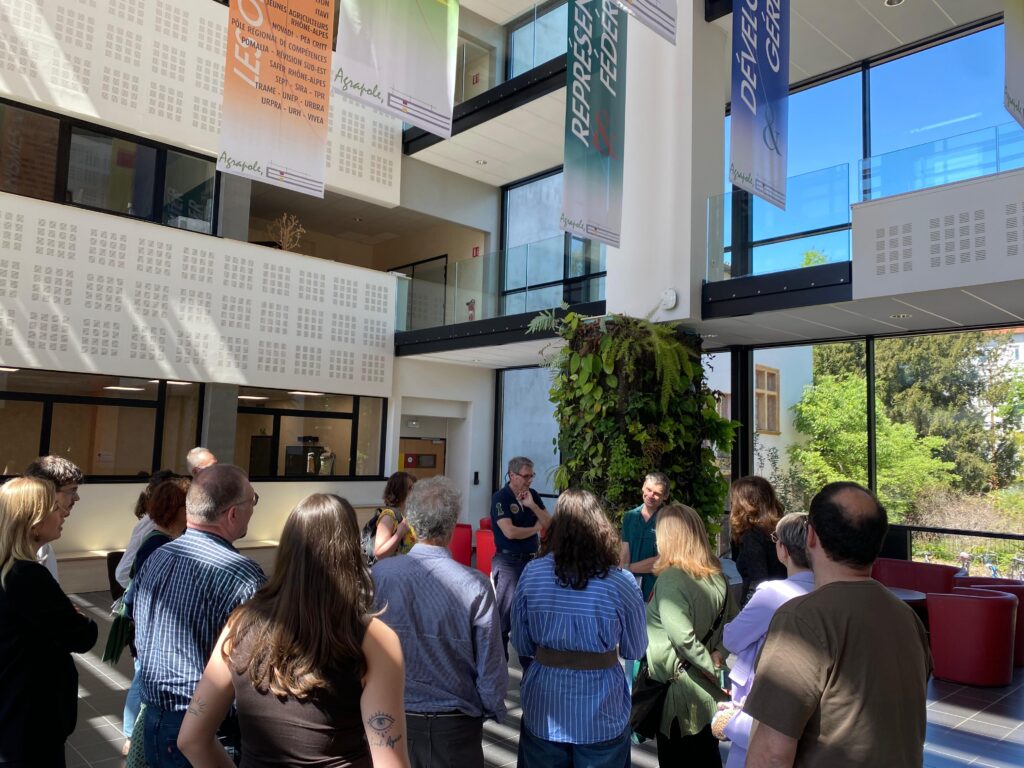
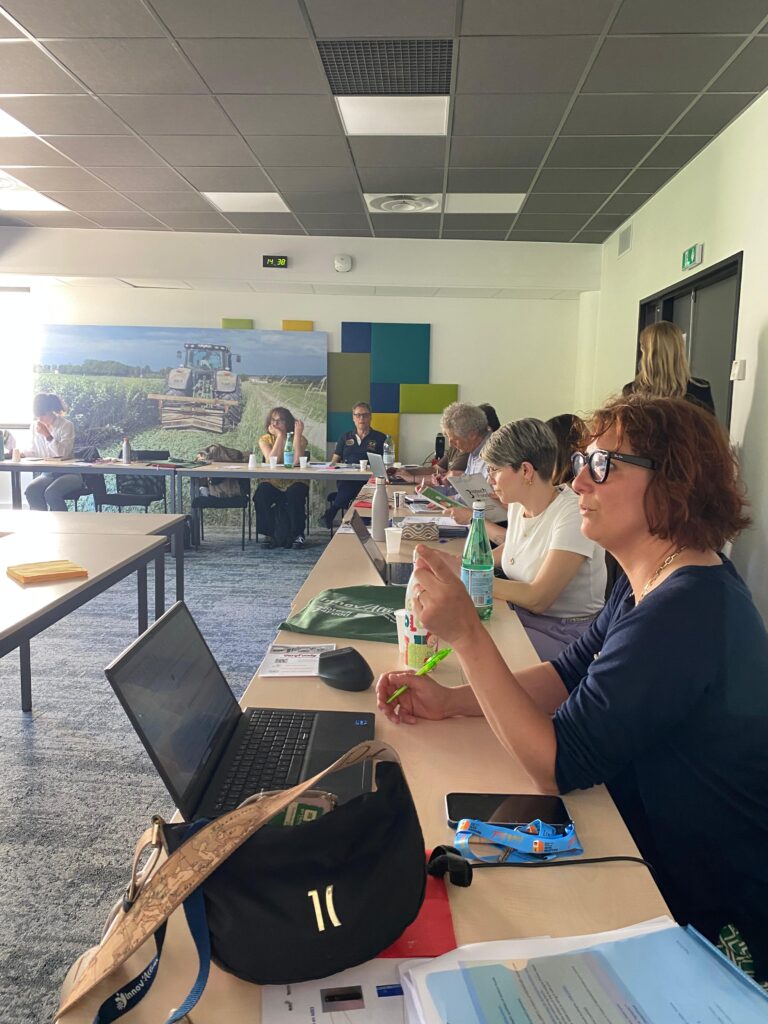
The first day took place in Lyon, starting with the Steering Committee meeting held by the partners at ISARA Lyon. In the afternoon, the consortium visited the university’s facilities, gaining insight into its activities, research and its role within the regional agri-food ecosystem.
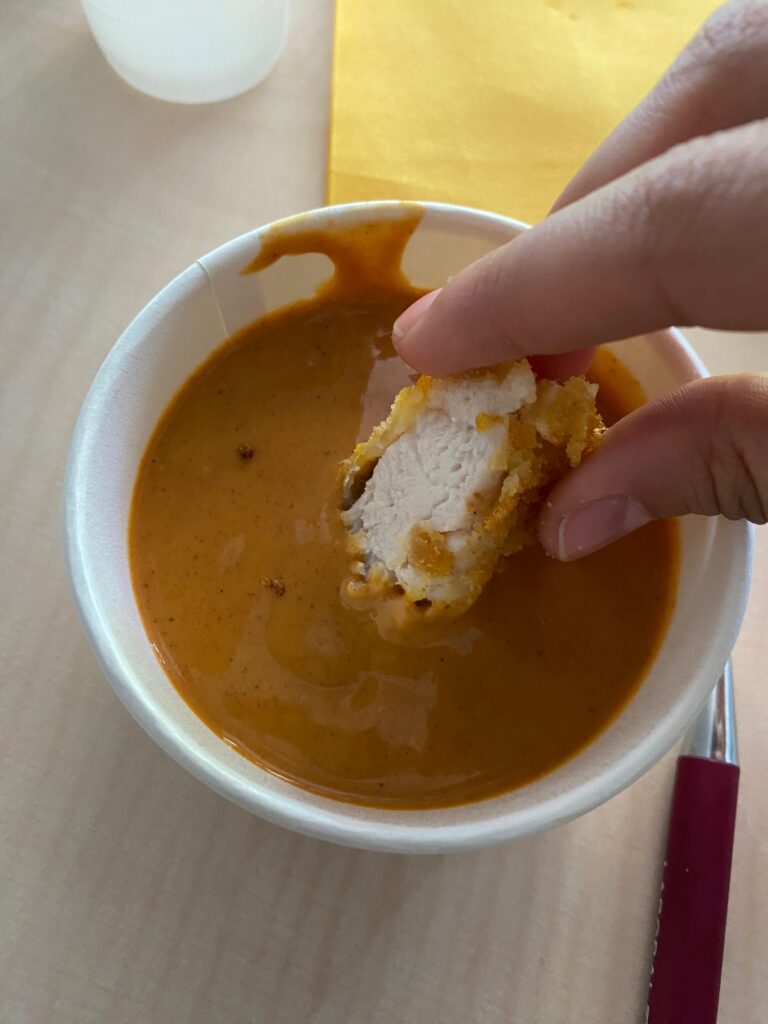
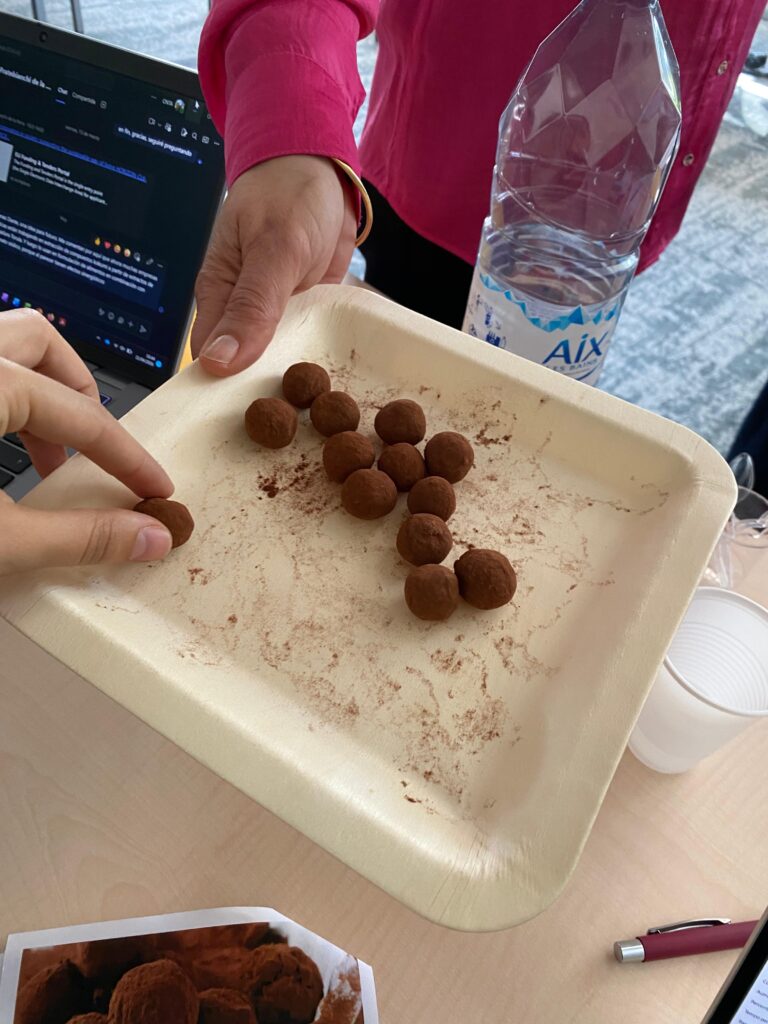
The day concluded with a capacity-building session led by Very Foody – a culinary innovation laboratory specialised in agri-food R&D. The workshop, “Understanding organoleptic qualities during the development of agri-food products”, included a tasting session featuring biotech-based ingredients and products developed within the project, such as a functional shot with broccoli powder, chocolate with cricket flour, torula yeast-based broth and BBQ sauce, marinated tempeh, and flavour solutions designed to mask the smell of collagen. It was a highly engaging session in which participants shared perspectives and ideas, providing practical insight into how sensory attributes influence the development of new products.
Day 2 – Clermont-Ferrand: dialogue, innovation and study visits
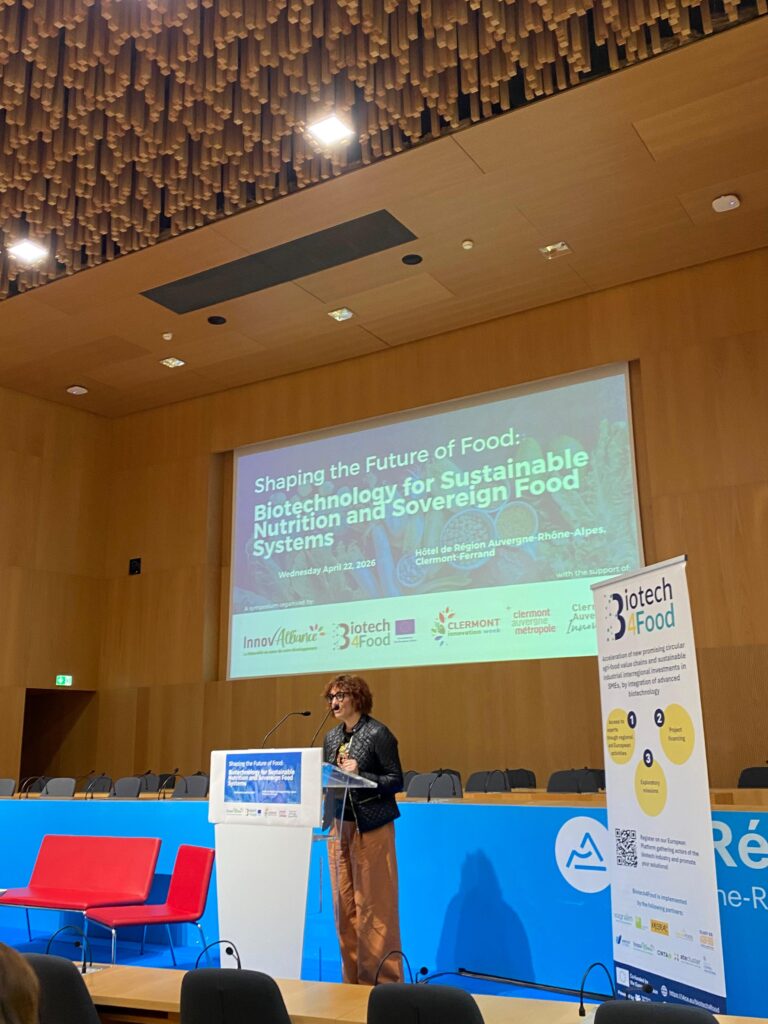
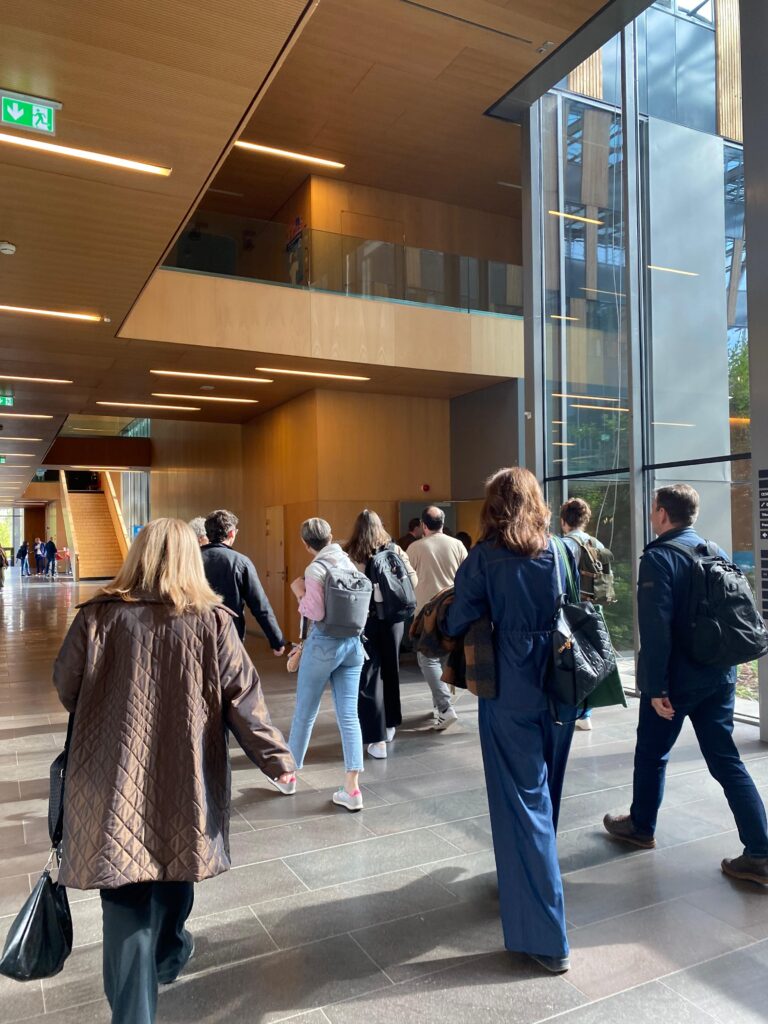
On the second day, the consortium travelled to Clermont-Ferrand, to the Regional Council of Auvergne-Rhône-Alpes, where
organised the event “Shaping the Future of Food: Biotechnology for Sustainable Nutrition and Sovereign Food Systems” as part of the Clermont Innovation Week (16–28 April).
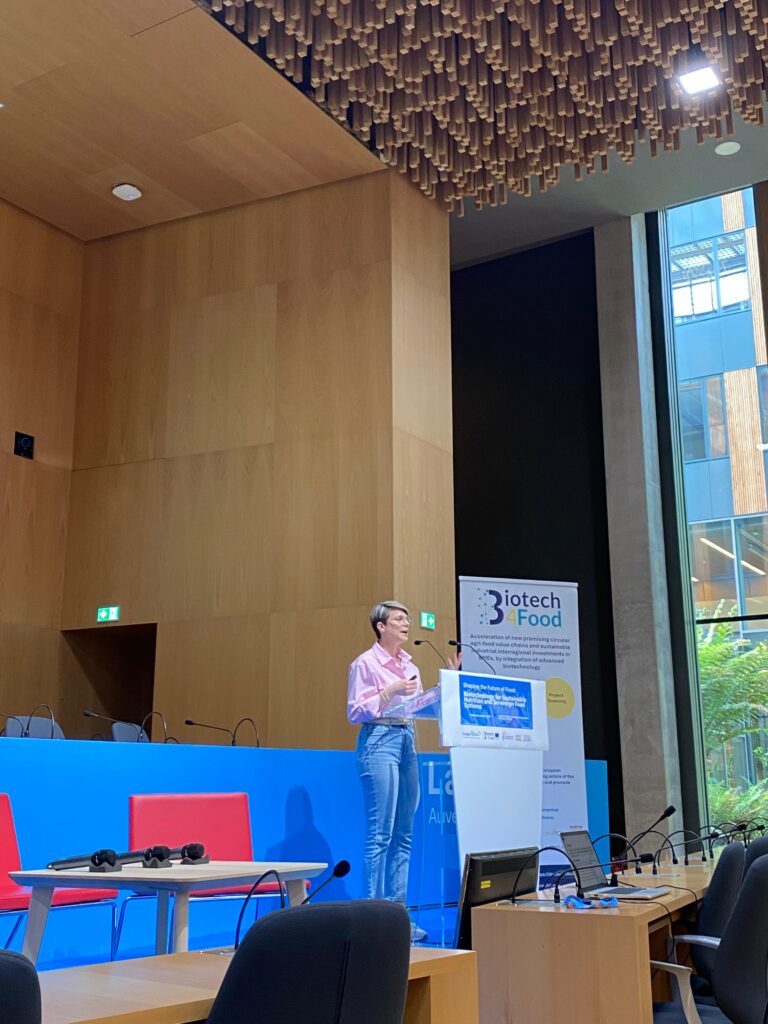
Following the presentation of the Biotech4Food project and an overview of agri-food biotechnology ecosystems in Europe and the Auvergne-Rhône-Alpes region, the programme continued with two round tables.
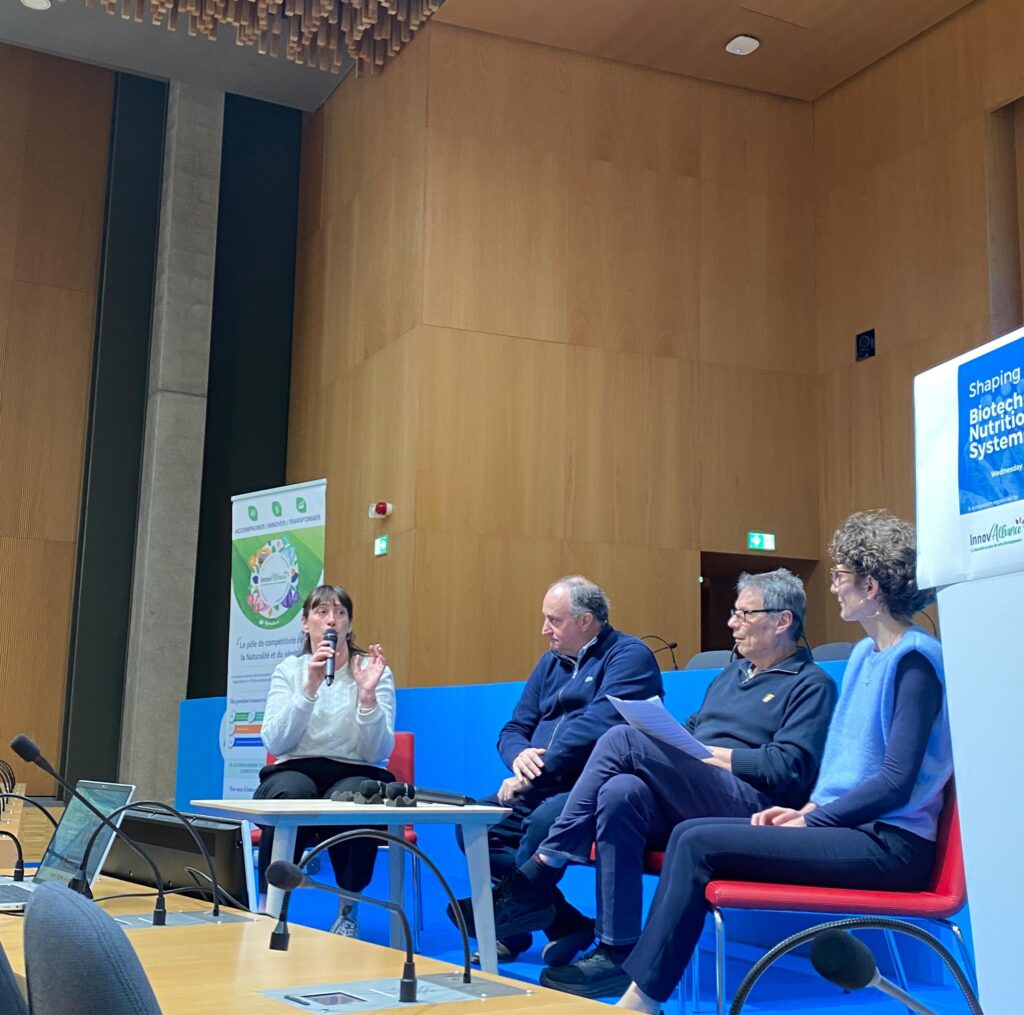
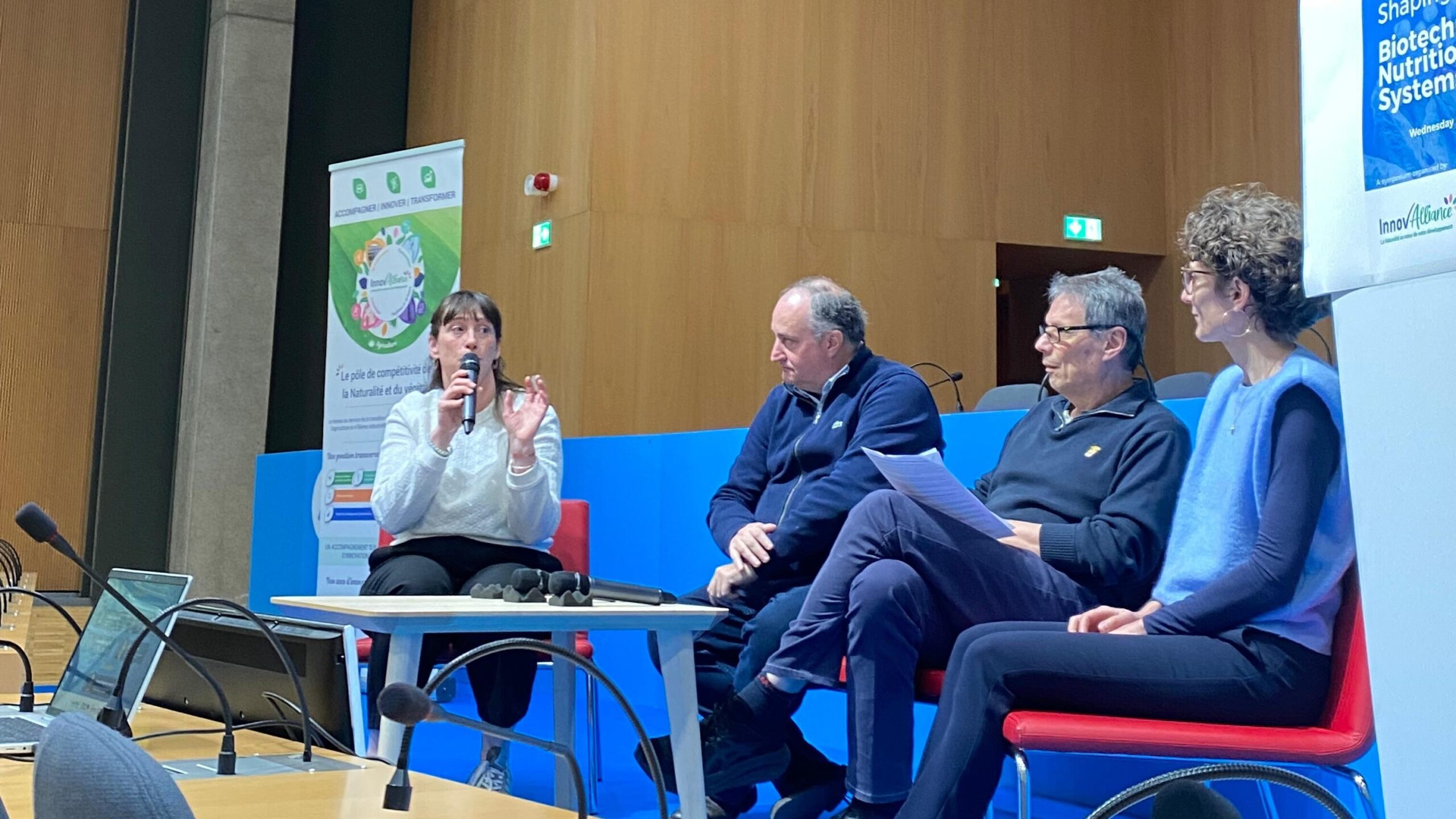
The first round table, “Rethinking food with biotechnology: innovation, consumer demand and paths to sustainable nutrition”, addressed the potential of biotech-based foods to respond to sustainability challenges while respecting culinary traditions and consumer expectations. The session was moderated by Natanael Viñegra (CNTA | Tecnología y conocimiento para la competitividad de la industria alimentaria) and featured contributions from Céline Gryson (Nutrifizz – Bureau d’études en Nutrition Santé), Christophe Chassard (INRAE, UMR Fromage), Francesco Fenga (Fenga Food Innovation and the Professional Order of Food Technologists of Emilia-Romagna, Tuscany, Marche and Umbria) and Claire Mermet (Innov’Alliance).
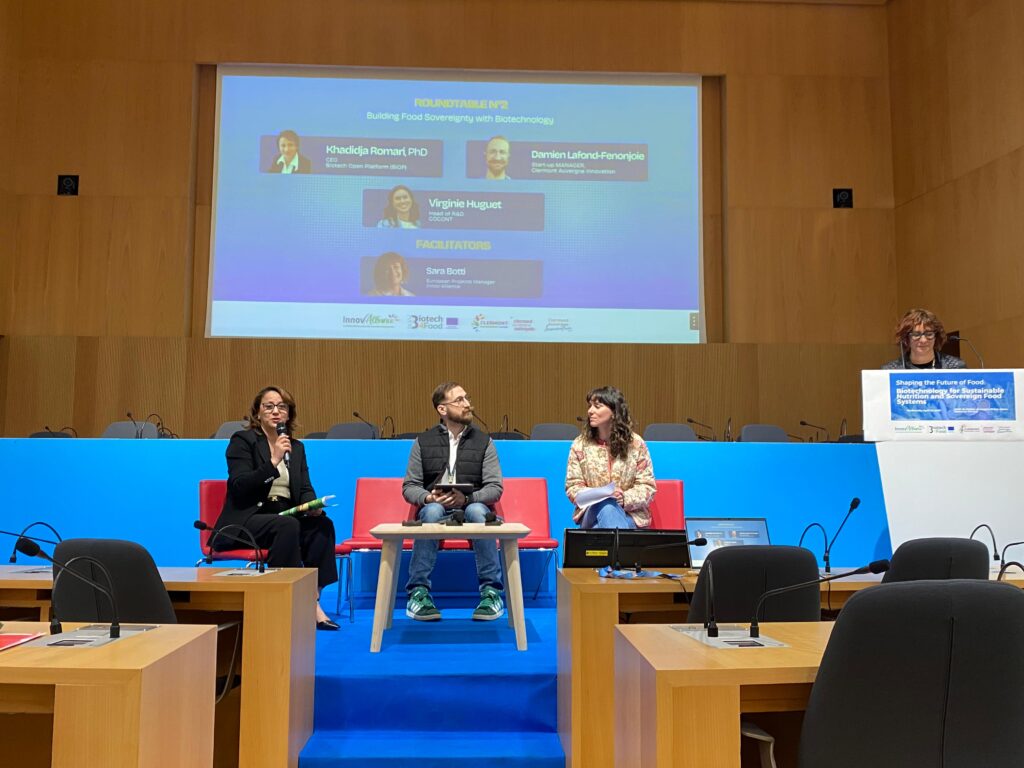
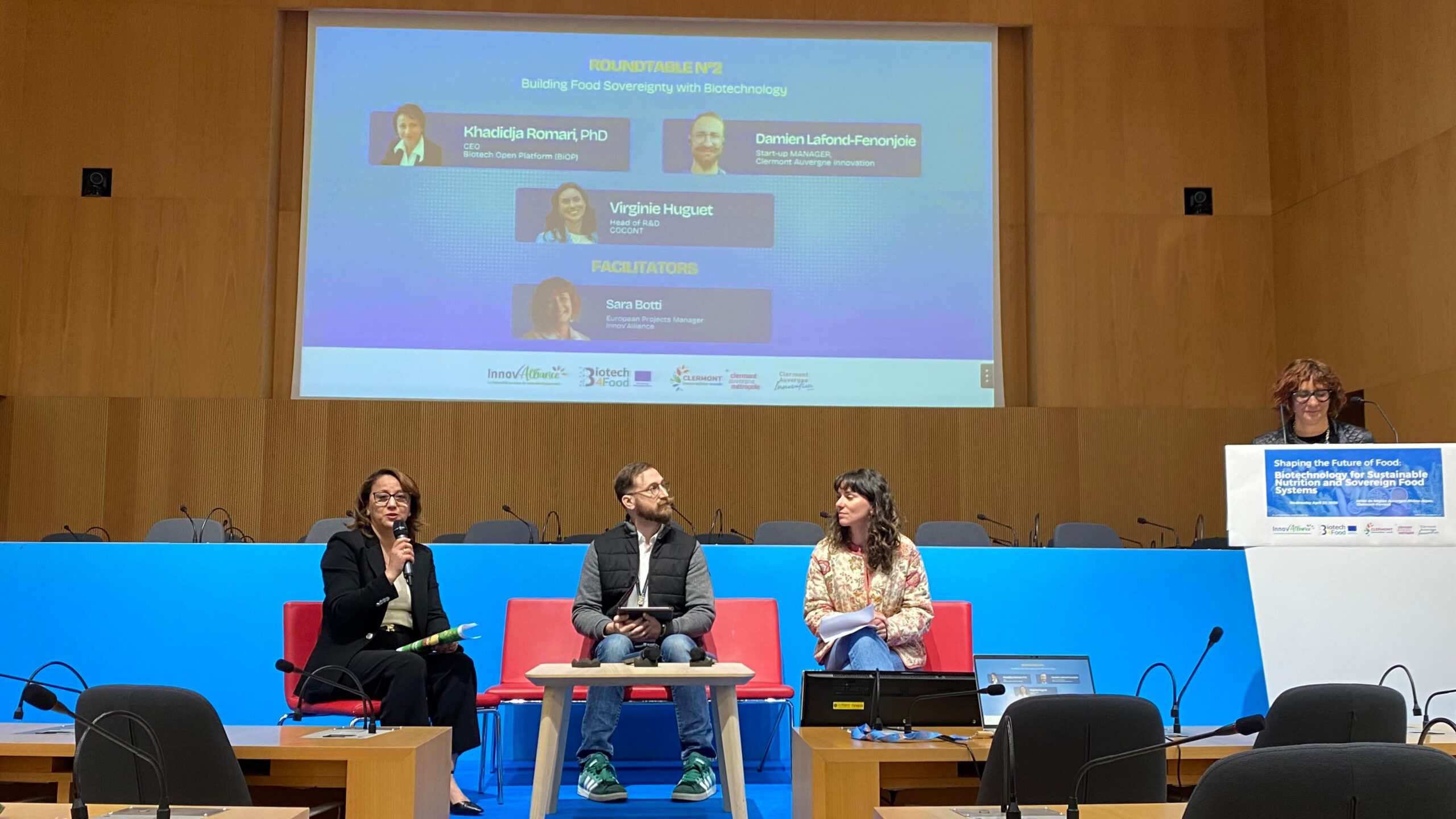
The second round table, “Building food sovereignty with biotechnology”, focused on the role of public actors in supporting multi-actor projects and their contribution to territorial development. The discussion enabled an exchange of views on food sovereignty, biotechnology and the conditions needed to support innovation from research to real-world applications. Moderated by Sara Botti (Innov’Alliance), the session featured Virginie Huguet (COCONT), Damien Lafond-Fenonjoie (Clermont Auvergne Innovation) and Khadidja Romari (Biotech Open Platform).
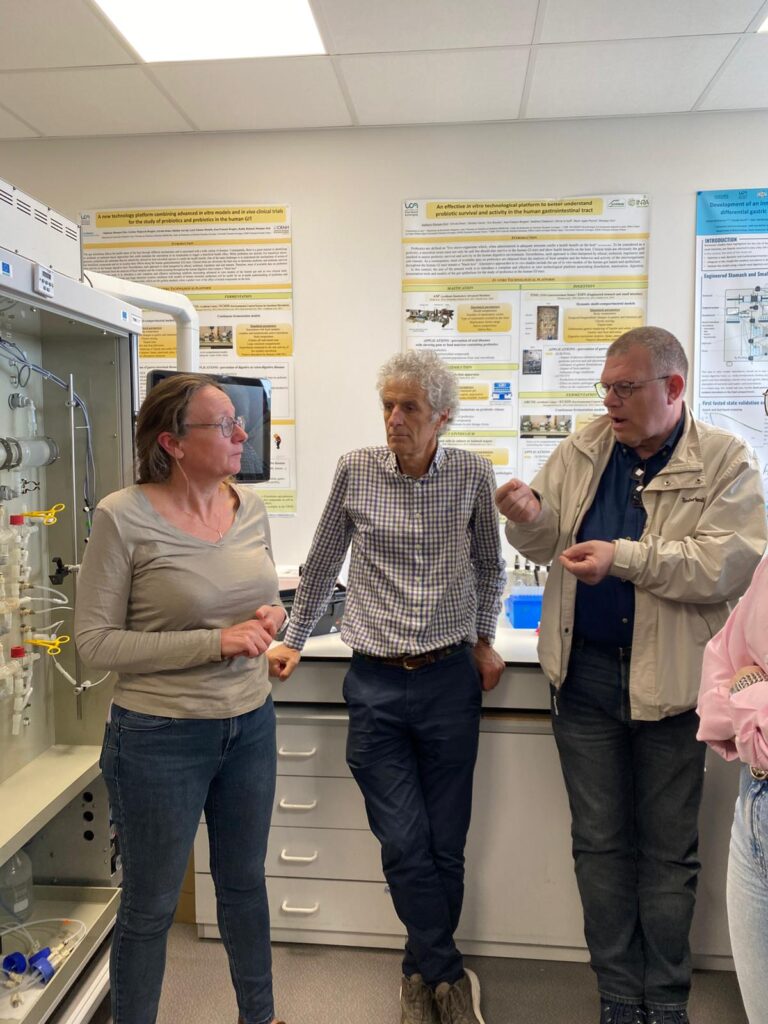
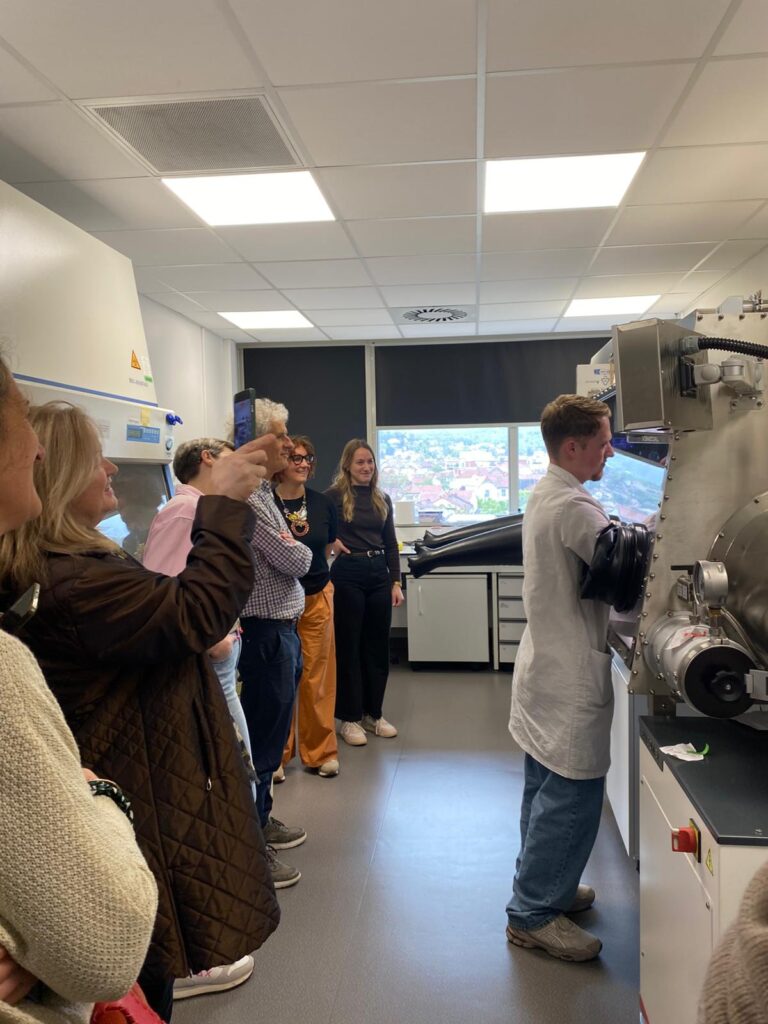
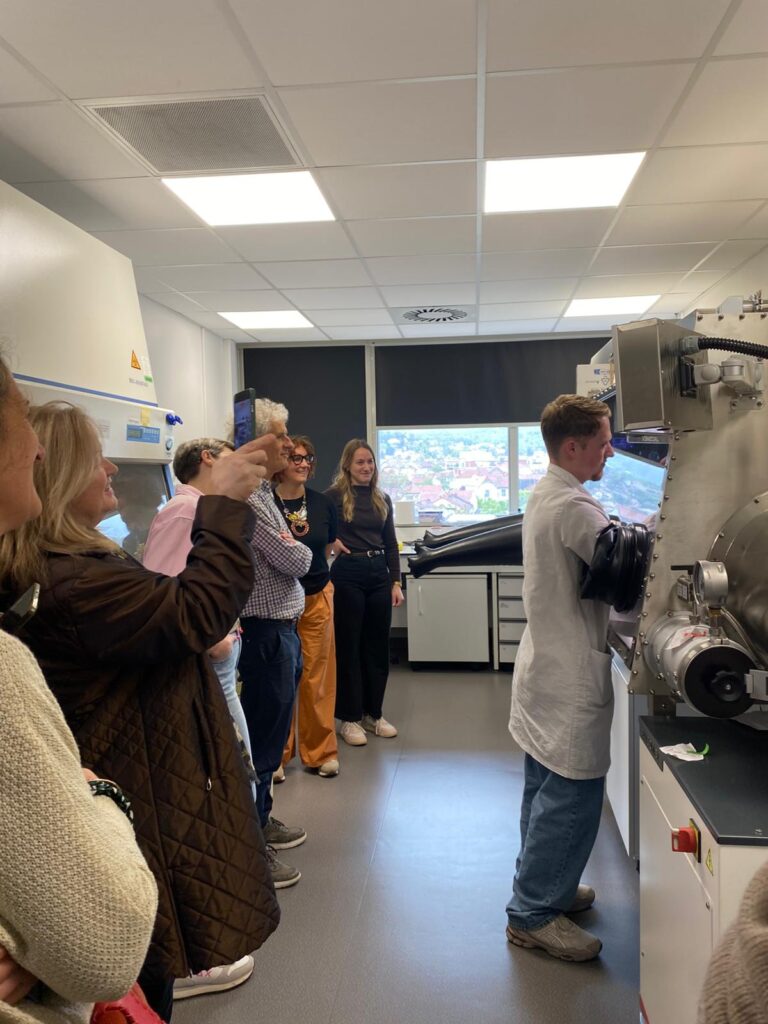
In the afternoon, the programme continued with two study visits. The first took place at the Université Clermont Auvergne (UCA), at the Digest-IV facilities, where partners explored different in vitro systems used to simulate both human and animal digestive environments. These systems are applied in the development and evaluation of new products, formulations and concepts across sectors such as food, nutrition, microbiology and biotechnology, enabling the study of interactions within the digestive environment under controlled conditions.
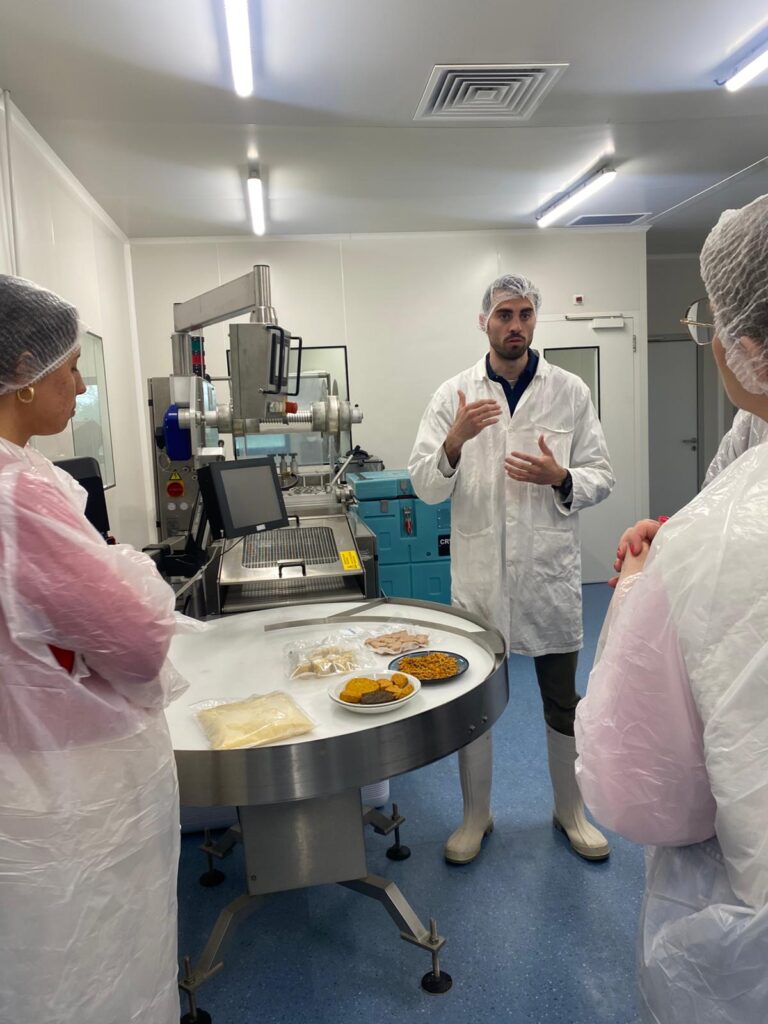
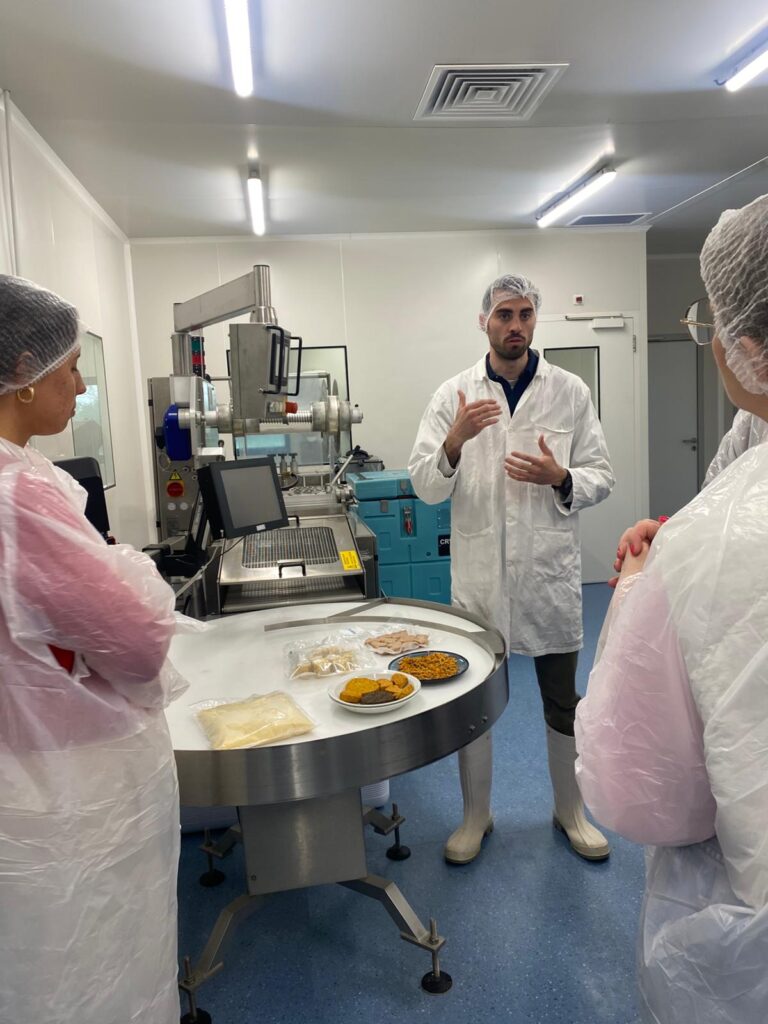
The second visit took place at COCONT, one of the SMEs supported by the Biotech4Food project, specialised in the development and production of fermented and plant-based alternatives.
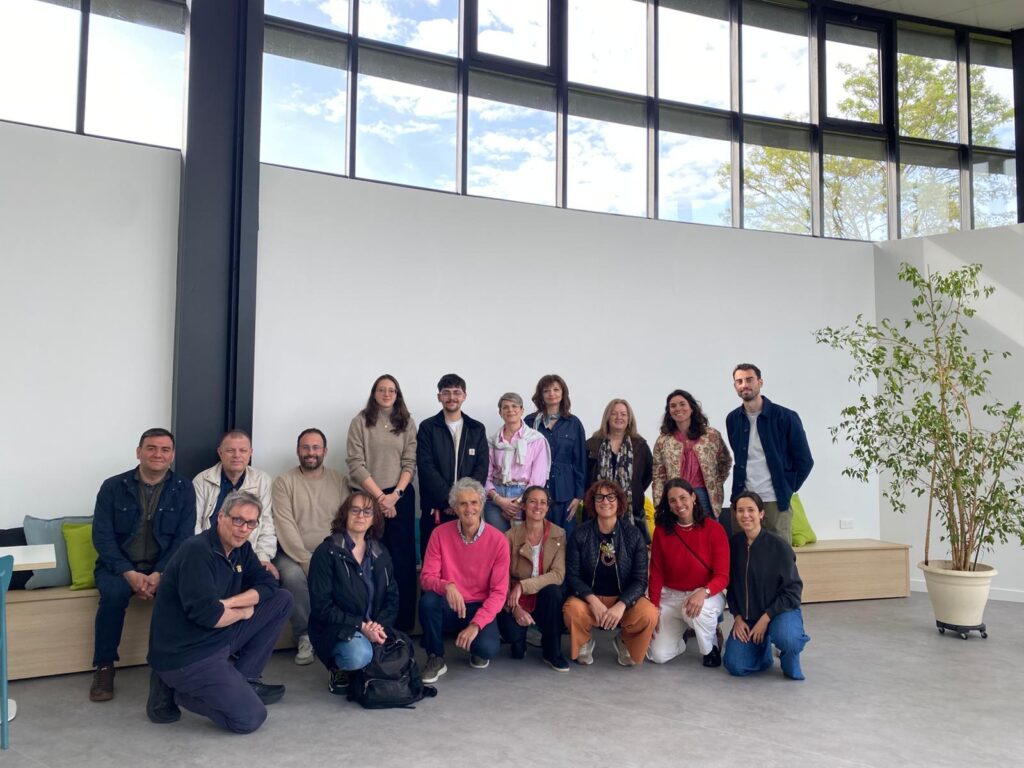
This meeting further strengthened collaboration among partners, connecting research with industrial applications and reinforcing links with regional innovation ecosystems. As the project enters its final phase, these exchanges contribute to enhancing the impact and scalability of biotechnology-based solutions in the agri-food sector.