On October 15th and 16th, Biotech4Food partners participated in theEIT Food Next Bite event 2025 to gain insights into the latest cutting-edge innovations shaping the agrifood sector.
The event, organised by EIT Food, brought together the food innovators and offered participants the opportunity to connect with Europe’s innovation community, discover emerging technologies and business models, and discuss policy developments and systemic solutions driving the transition towards a more sustainable and resilient food landscape.
Held in the Gare Maritime at Tour & Taxis, Brussels, Next Bite served as a platform for startups, industry players, researchers, and policymakers to exchange perspectives on the future of food
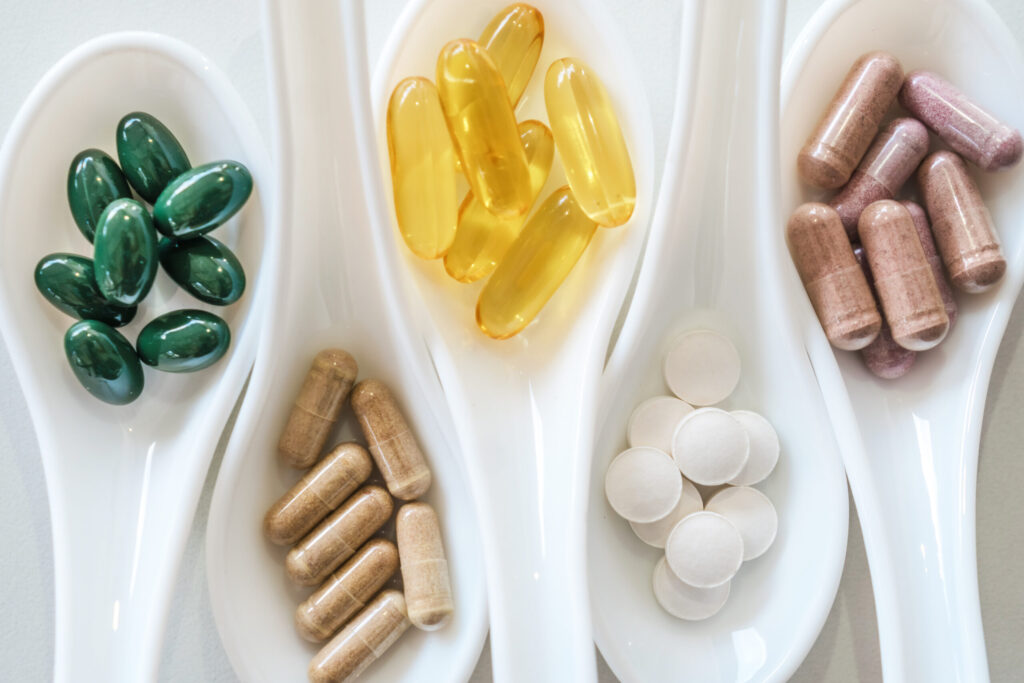
One of the most inspiring spaces at Next Bite 2025 was the Startup Village, a dynamic showcase where early-stage companies from across Europe presented their groundbreaking solutions to today’s agri-food challenges. From alternative ingredients produced through precision fermentation and functional nutrition from upcycled side-streams to AI-driven food safety platforms and circular packaging solutions, the diversity of ideas was remarkable. Ingredalia, a company involved in Biotech4food project as direct beneficiary, was present to expose their natural functional ingredients from plant by-products from the agri-food sector. They showcased their healthy gummies made with broccoli extracts, obtained through environmentally friendly procedures: enzymatic digestion followed by tangential filtration.
The event was organised around 4 thematic stages — Healthier Lives Through Food, Net Zero Food System, Food System Resilience and AgriFoodTech Ventures.
One particularly insightful session, “Powering Europe’s Future in Biotech Through Cross-Industry Collaboration,” explored how biotechnology can accelerate the transition towards a sustainable food system.
Speakers highlighted some key opportunities for the future of food biotechnologies in Europe:
- Valorisation of agri-food by-products as feedstock for biomass fermentation
- Precision fermentation for the synthesis of high-value ingredients
- The use of microbial consortia to increase robustness and efficiency in bioprocesses
- Advances in bioreactor design and hardware for scaling up biomanufacturing
- The importance of guaranteeing capital to de-risk early-stage biotech investments
This session highlighted how collaboration across sectors — from research to finance — is essential to unlock the full potential of biotech in building a resilient, circular, and innovative European food system.
For Biotech4Food, the event was an ideal opportunity to:
- Explore breakthrough innovations related to by-product valorisation and circular economy solutions
- Exchange ideas with experts working on similar challenges in food transformation and sustainability
- Gain valuable insights for ongoing projects, including the development of new valorisation chains for agri-food side streams
- Strengthen collaborations within the European innovation network and identify potential partners for future R&D initiatives
It is a crucial time for the food sector. There is a lot going on at EU level, like Bioeconomy act, Innovation act, Life Science act and the Biotech act. Head of Unit DG santé, Thomas Van Cangh highlighted the first results from the call for evidence, with a strong focus on clusters and the need to collaborate to increase cooperation and less fragmentation. So the biotechnology, especially the food biotech, are essential for the future of food systems in Europe and their sustainable transitions.