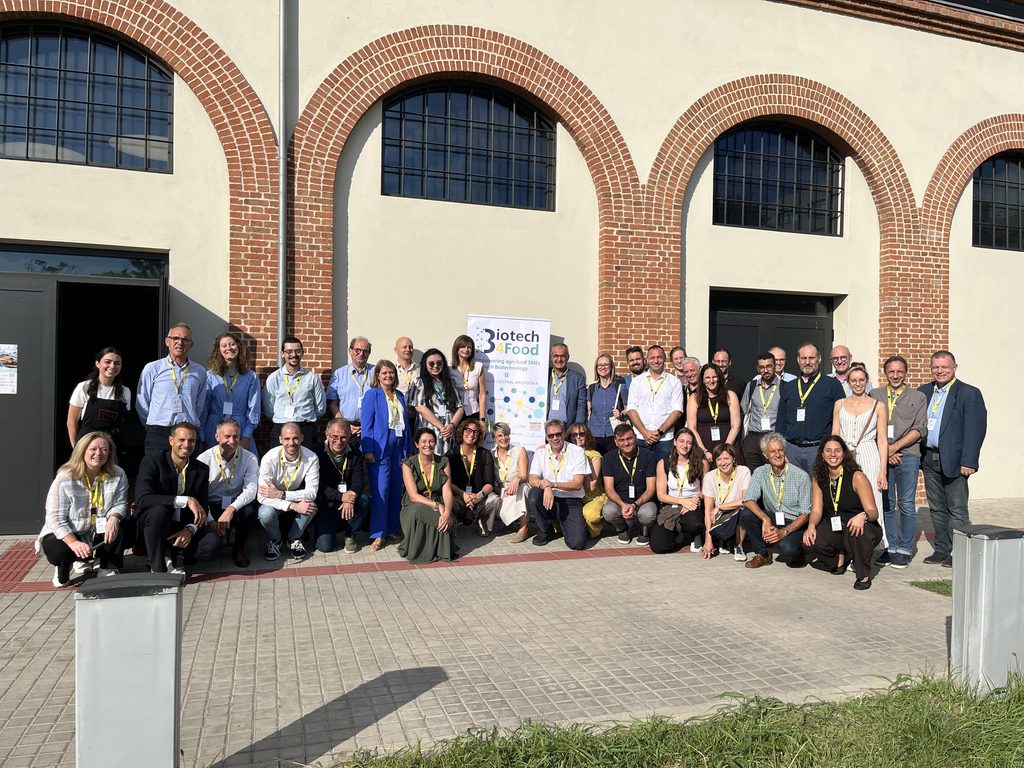
How can biotechnology help Europe’s agri-food SMEs innovate, grow and become more sustainable? For almost three years, Biotech4Food has been working to turn this question into concrete opportunities for businesses across Europe.
Launched in November 2023, the I3 funded project brought together partners from 8 European regions in 5 countries to support 15 SMEs developing innovative ingredients, products and processes through biotechnology.
At the heart of the project was a simple ambition: help promising innovations to move beyond the laboratory and closer to the market.
From biotechnological potential to concrete business opportunities
Biotechnology offers major opportunities for the agri-food sector. It can help develop new ingredients, improve production processes, valorise side-streams and by-products, enhance nutritional value and contribute to more sustainable and circular food systems.
For SMEs, turning a promising technology into a market-ready solution can involve navigating complex regulation, finding the right expertise and infrastructure, securing financing, testing and scaling up processes, and identifying the right business and industrial partners.
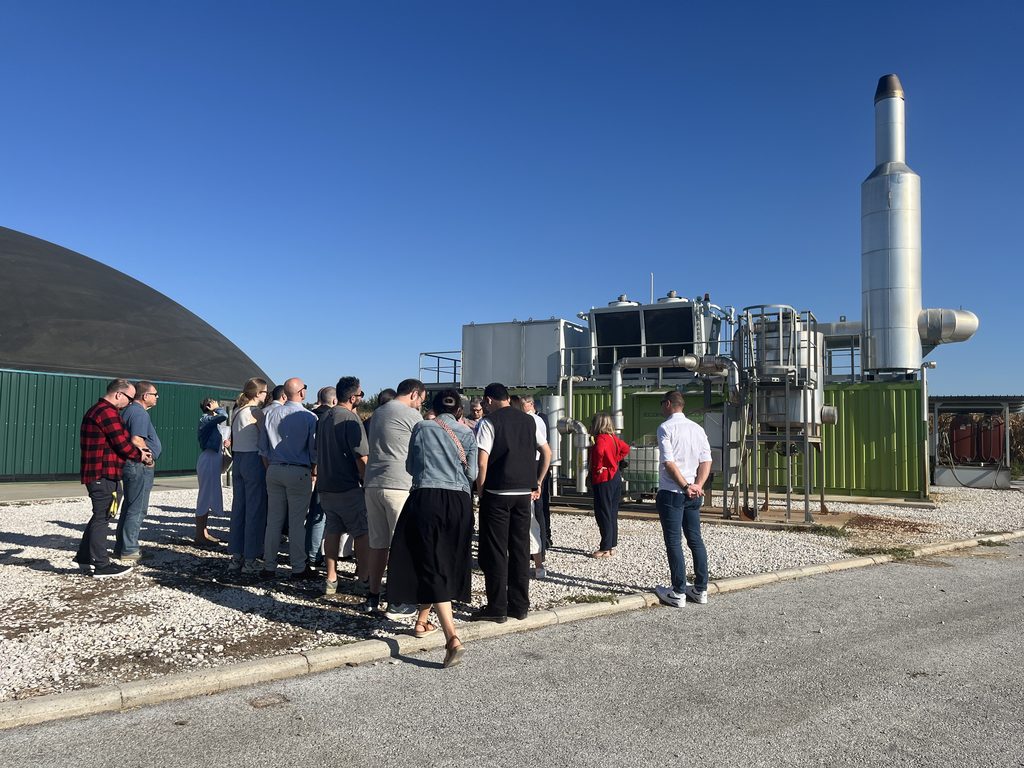
Biotech4Food was designed to address these challenges by combining financial support, tailored services, networking, knowledge sharing and access to European ecosystems. The project directly supported 15 SMEs, with more than €1.5 million in financial support, helping them move forward with concrete innovation projects.
Measuring impact: from ideas to results
The impact of Biotech4Food can be seen in the progress made by the supported companies. Across the 15 SMEs, the project contributed to:
- 11 ingredients validated
- 29 processes optimised and scaled up
- 23 formulations tested
- 13 collaborations initiated
- 6 initial sales identified
These figures tell the story of innovations moving forward: ingredients being validated, processes progressing towards industrial scale, formulations being tested and new collaborations taking shape.
Building stronger connections across Europe
Biotech4Food also aimed to strengthen the links between the different players needed to make food biotechnology innovation happen : SMEs, research and technology organisations, innovation clusters, investors, infrastructure providers, public authorities and other ecosystem actors. Over the course of the project, this European and interregional dimension translated into a wide range of activities:
30 networking events, 1 policy recommendation, participation in 34 fairs, conferences and events, 6 interregional study visits, 29 local and international capacity building actions, and 15 publications in national and international medi
These activities helped create opportunities to exchange expertise, discover new technologies, meet potential partners and better understand the regulatory, financial and technical and technological conditions surrounding food biotechnology.
The project also worked to connect companies with the resources they need to move from innovation to implementation, from specialised expertise and pilot facilities to potential business and investment partners.
Thessaloniki: celebrating three years of innovation
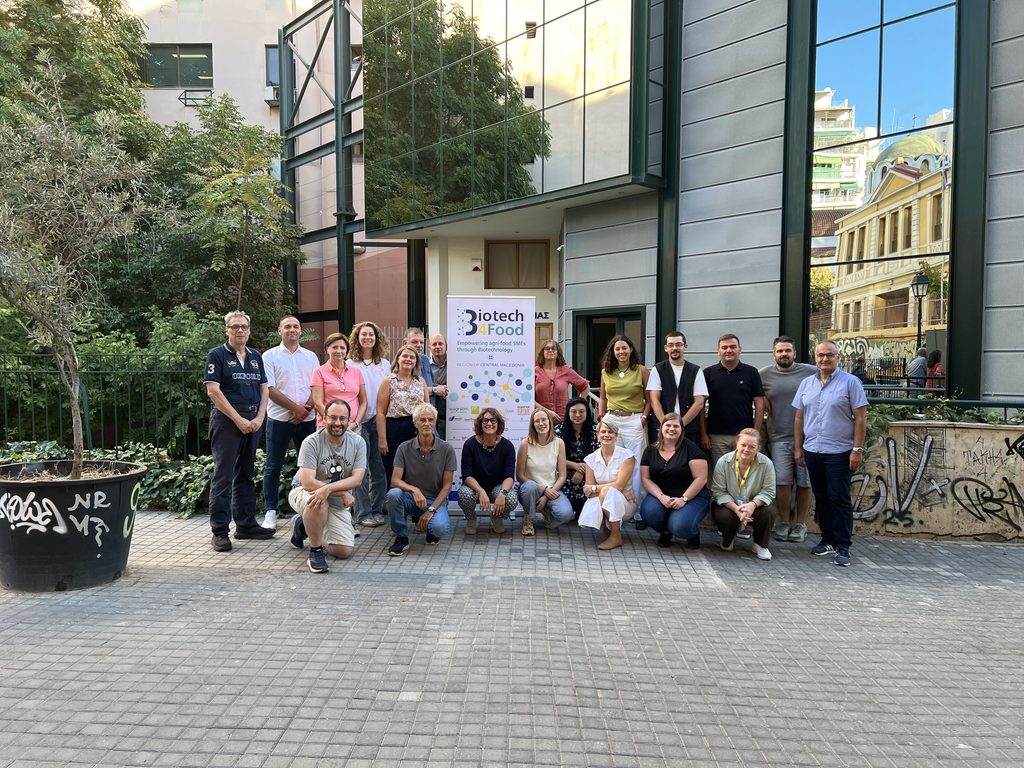
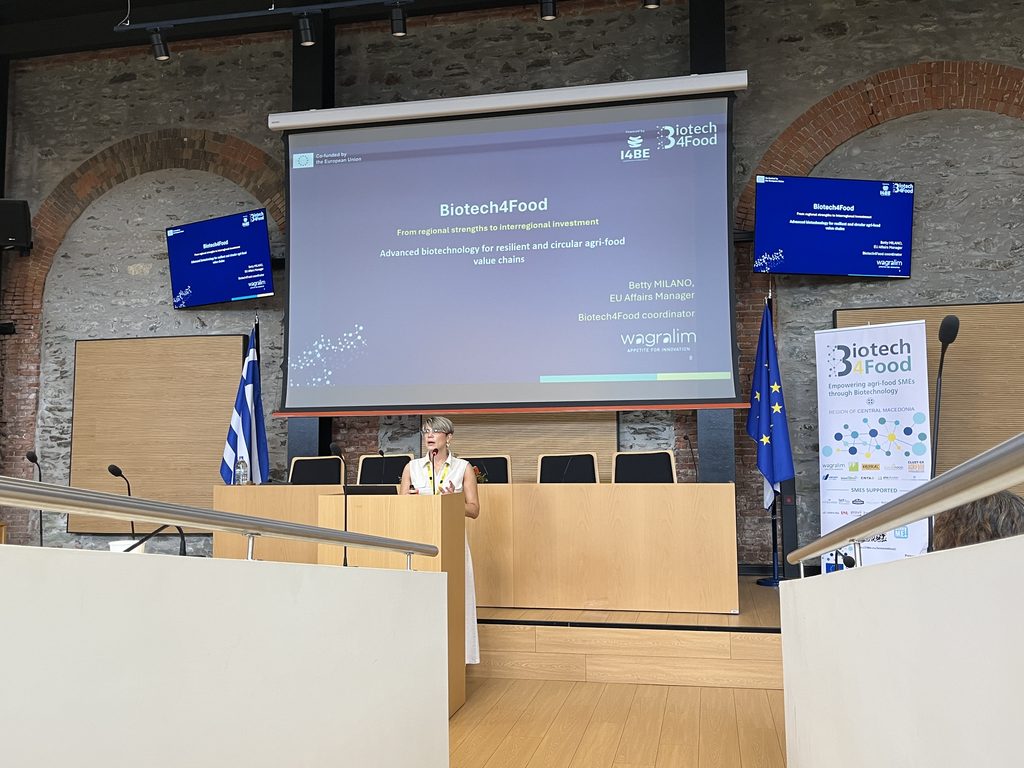
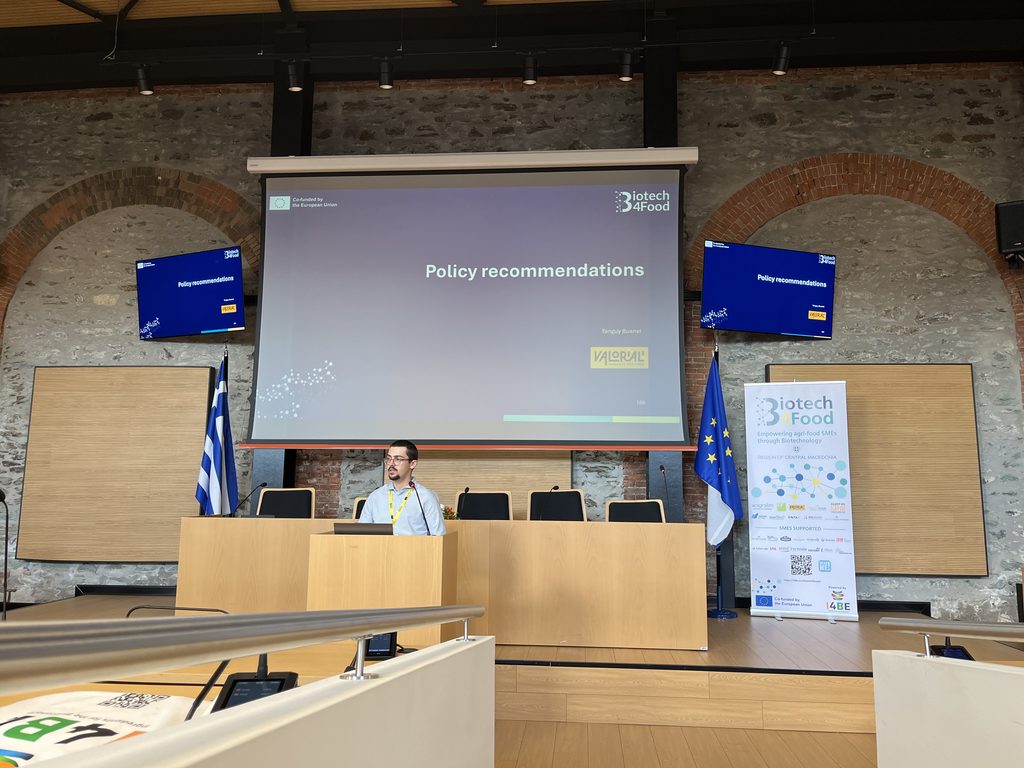
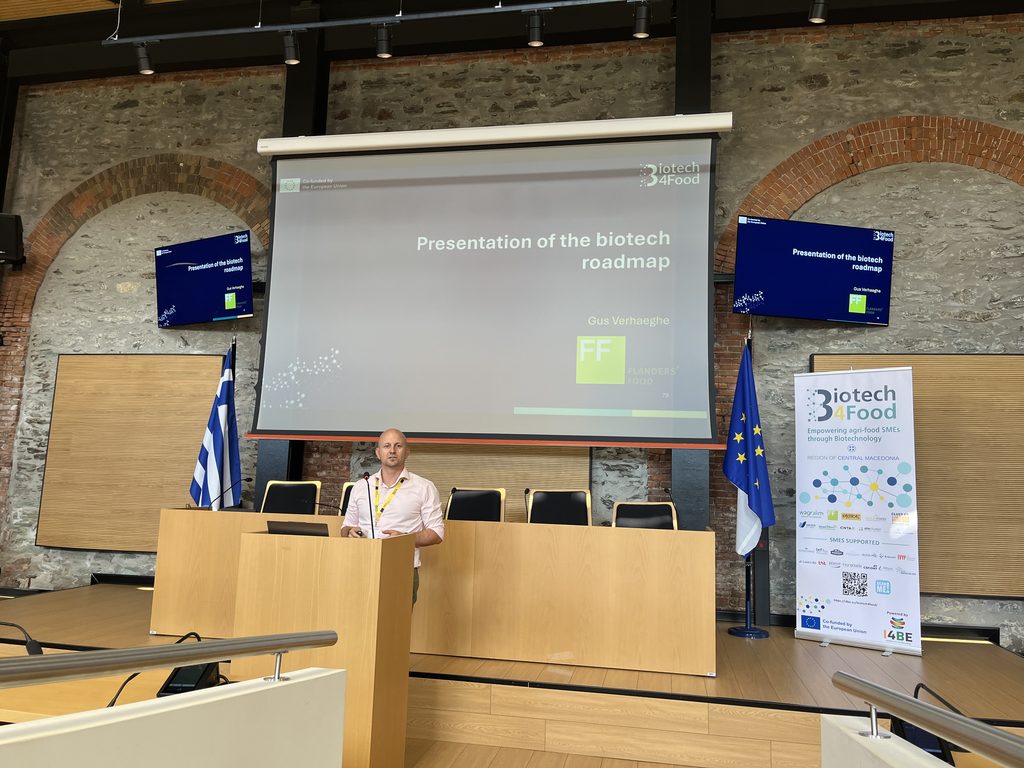
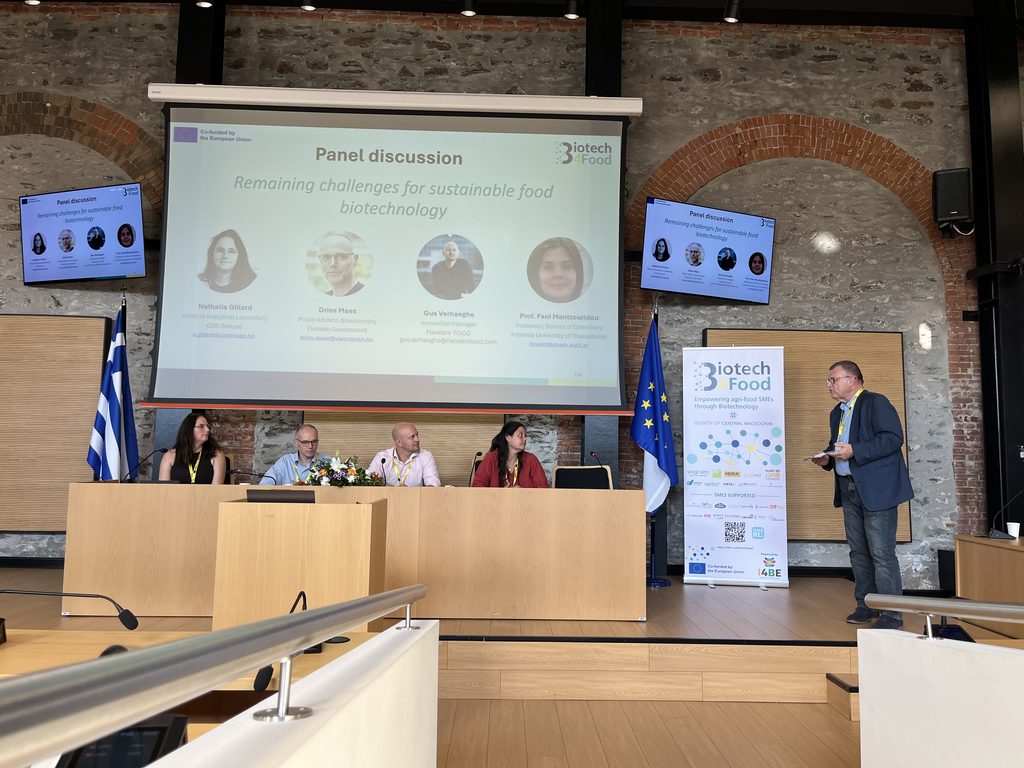
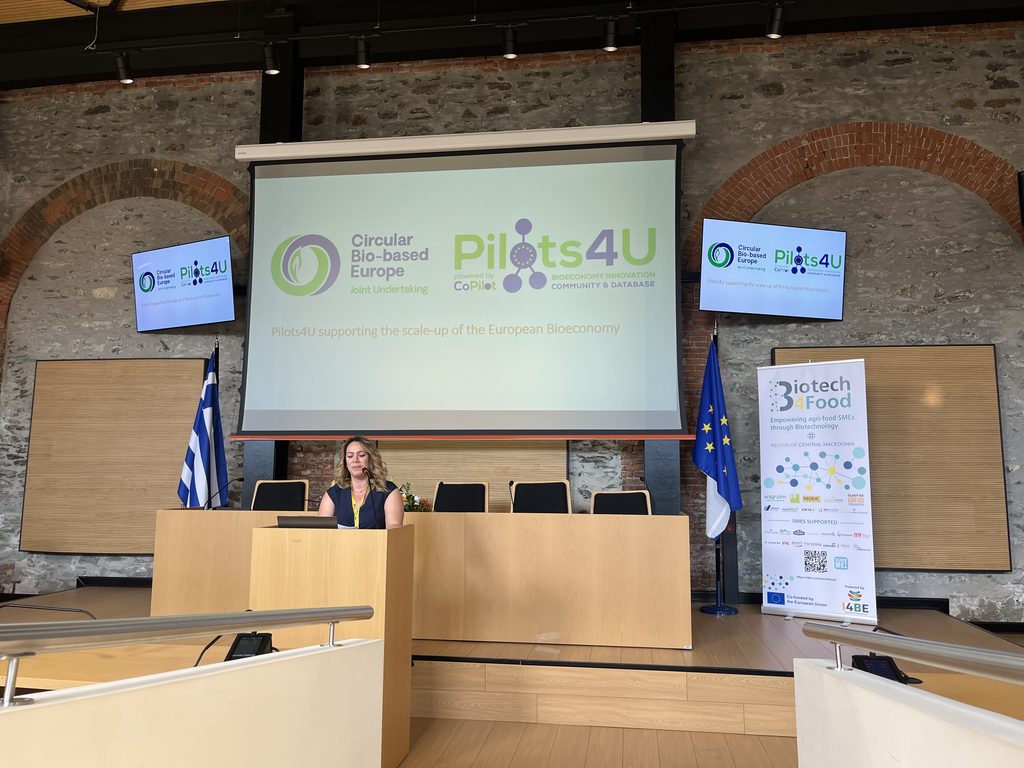
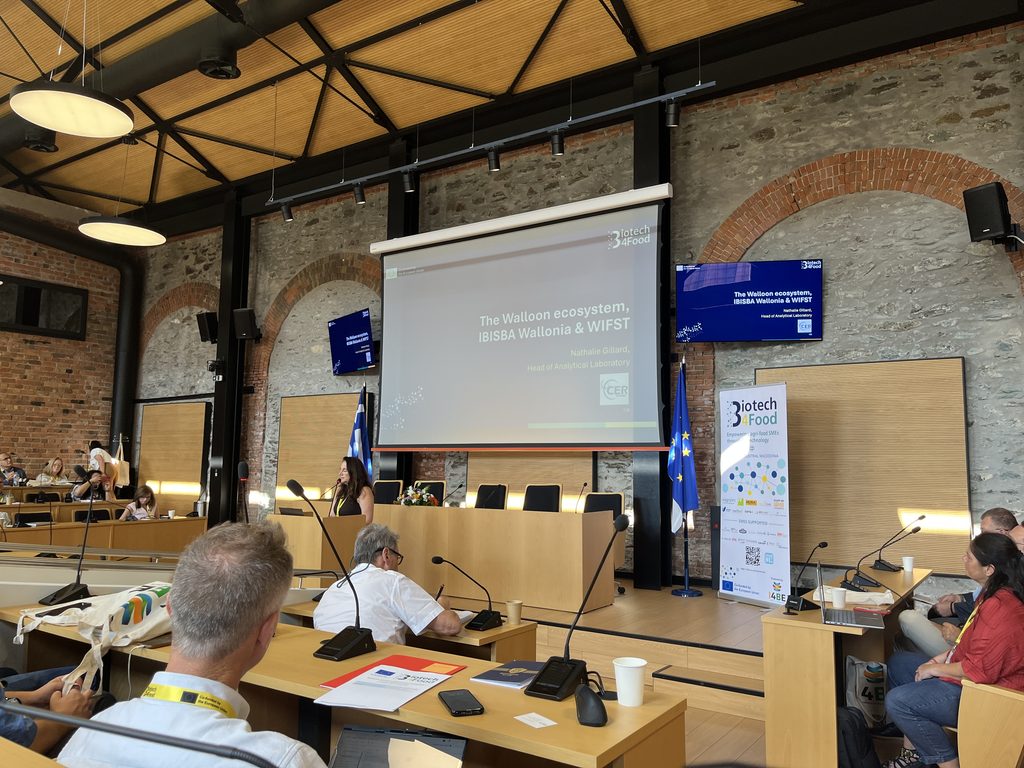
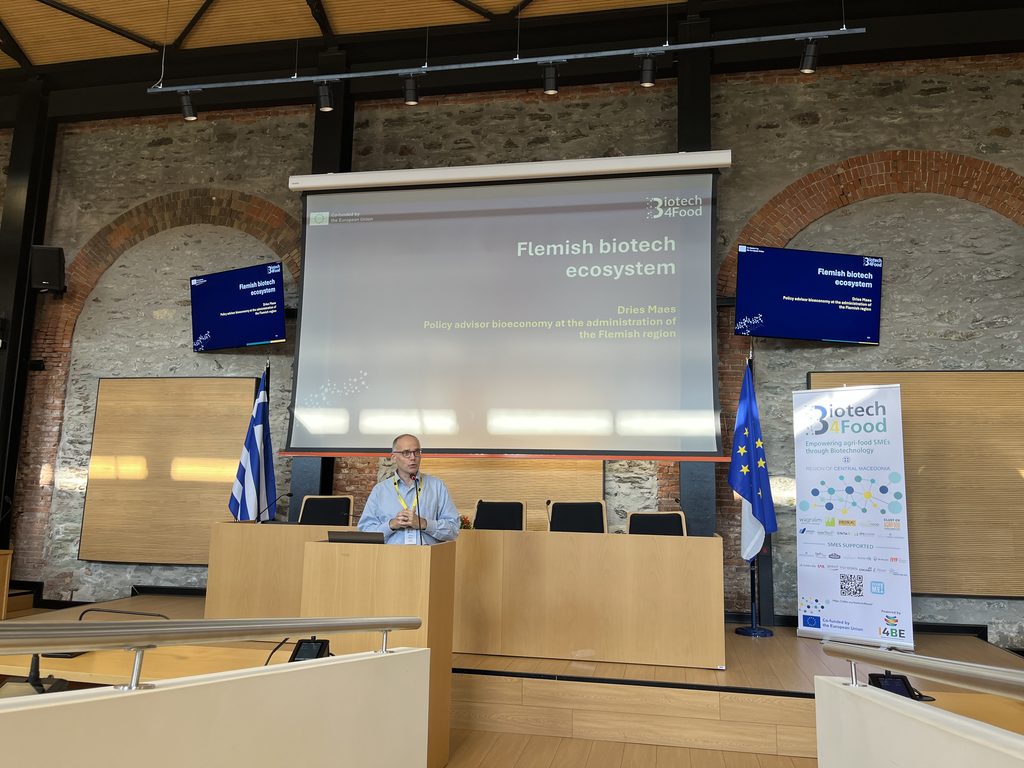
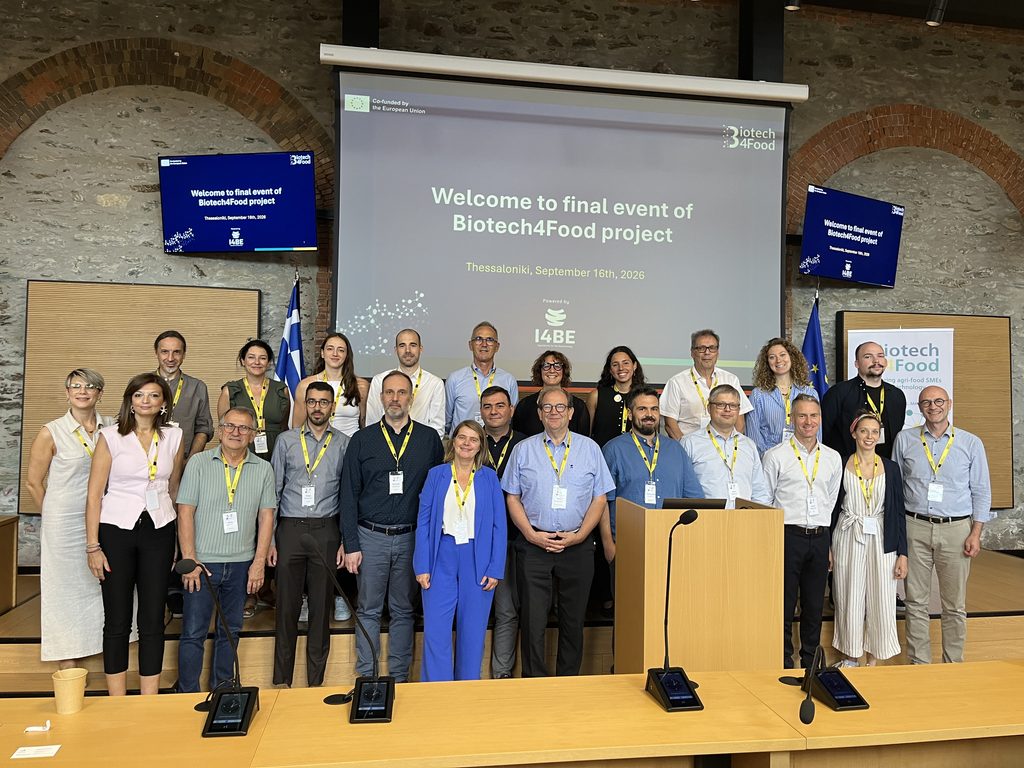
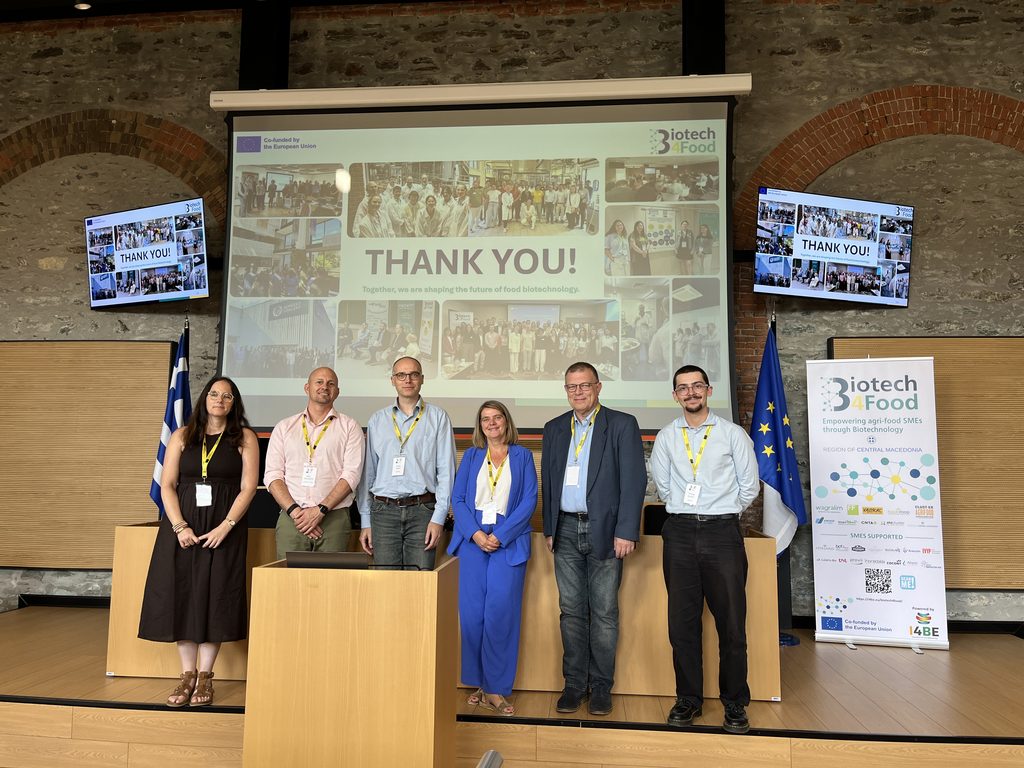
On 16 and 17 September 2026, the Biotech4Food community came together in Thessaloniki, Greece, for the project’s final gathering, hosted by 2 partners : region of Central Macedonia and ATE cluster.
The two-day programme brought together project partners, supported SMEs, experts and ecosystem representatives to look back at the achievements of Biotech4Food and discuss what comes next.
The first day focused on the company journeys, innovations and results generated through the project. Three round tables showcased the work of the supported SMEs across different areas, from sustainable protein innovation to health-focused biotechnology and innovative ingredients for sustainable food systems.
The discussions then moved beyond individual company projects to explore the wider conditions needed to develop food biotechnology in Europe: regional ecosystems, access to pilot facilities, scale-up, financing and regulation.
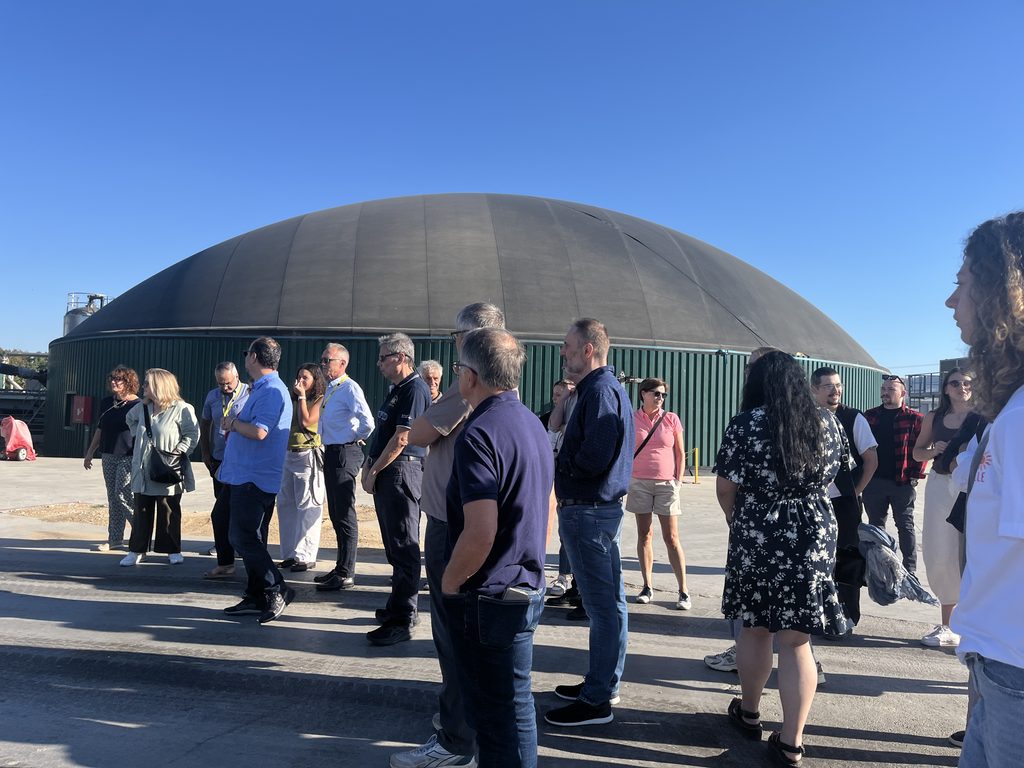
The second day brought the project closer to the field, with site visits to QPlan and Provil, including a tasting session, followed by the final Steering Committee meeting. More than a final meeting, Thessaloniki was an opportunity to connect the dots between the companies supported, the ecosystems built and the results achieved.
Explore the innovations behind the numbers
The results of Biotech4Food are not limited to figures. Behind each KPI are companies developing new solutions, testing new approaches and building new connections across European value chains. To discover these innovations in more detail, Biotech4Food has brought together several resources:
- SMEs Portfolio: discover the 15 SMEs supported by the project, their areas of innovation and the solutions they have been developing.
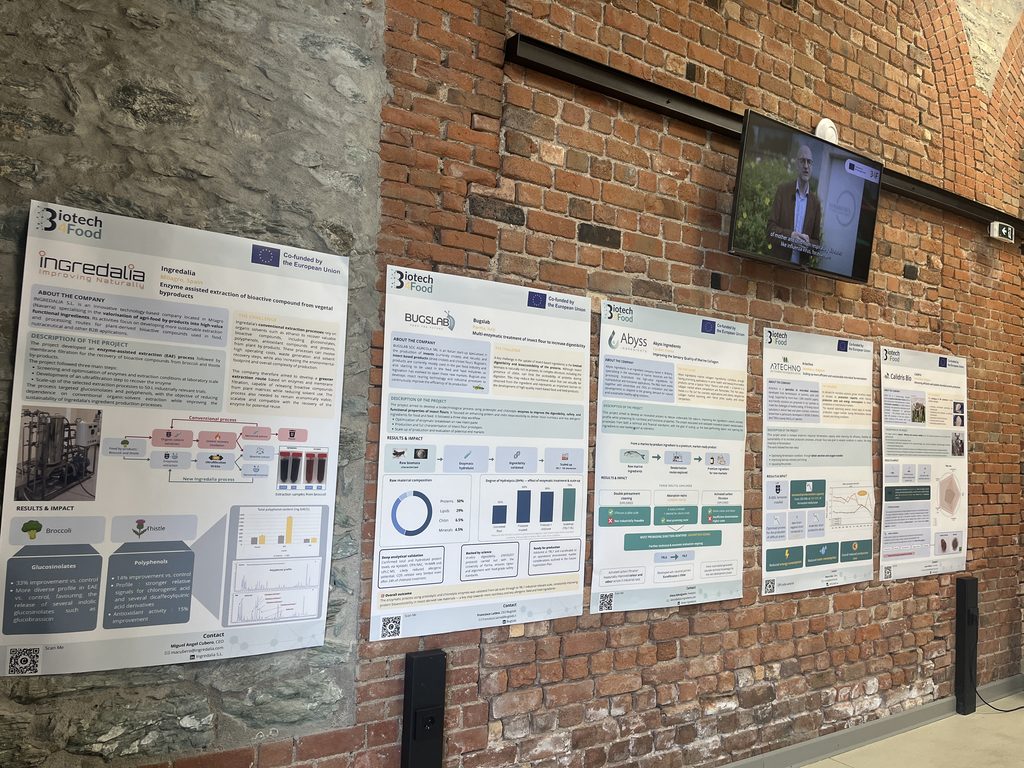
- SMEs Innovation Posters: explore the individual journeys of the supported companies through a collection of SME posters, presenting their projects, innovations and achievements.
- SMEs videos: watch the videos to find out more about the SMEs’ presentations, their innovation priorities and the challenges they face
- Biotech4Food in numbers: a dedicated video brings together the project’s key figures and highlights the impact achieved throughout the three-year journey.
What comes next for food biotechnology?
Biotech4Food may be reaching its end, but the challenges it addressed remain highly relevant.
Developing sustainable food biotechnology requires continued collaboration between companies, researchers, investors, infrastructures and public authorities. It also requires stronger connections between European regions so that knowledge, technologies and investment opportunities can circulate more easily.
The project leaves behind new collaborations, tested innovations, stronger connections between ecosystems and a growing community of actors working at the intersection of biotechnology and the agri-food industry.
The next step is to build on this momentum and turn these connections and innovations into lasting opportunities for Europe’s food systems.
Want to connect with partners from this project?
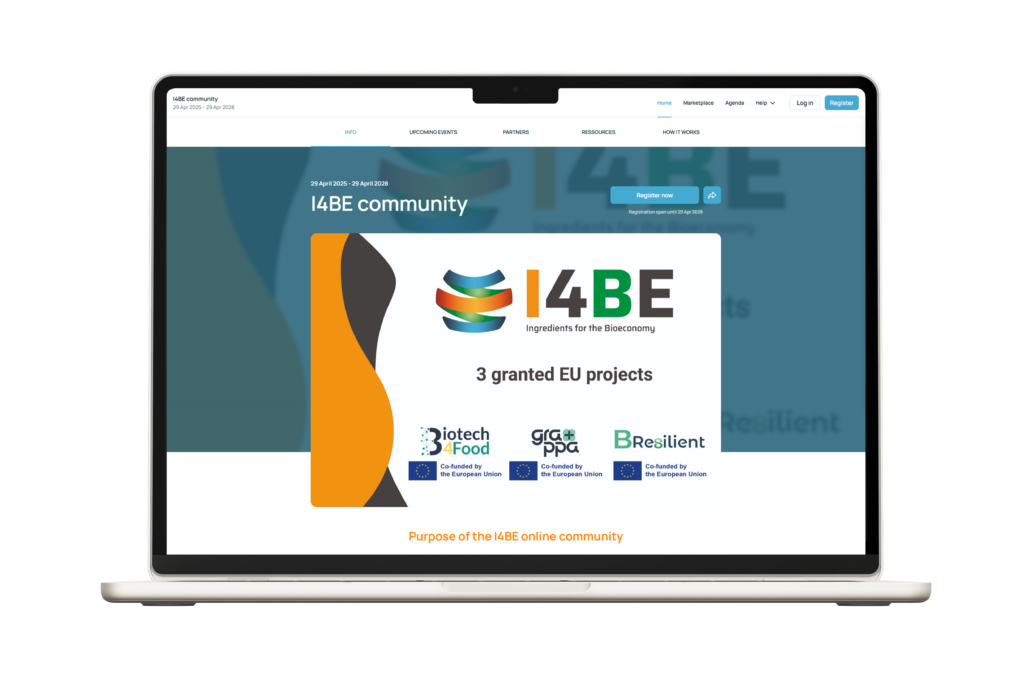
The purpose of this Community Platform is to gather the European stakeholders involved in the agrifood sector, with specific links with the European projects implemented through the S3 I4BE.
The final objective of this Community Platform is tolink all actors, initiate interregional collaborations and create a community feeling between these stakeholders.